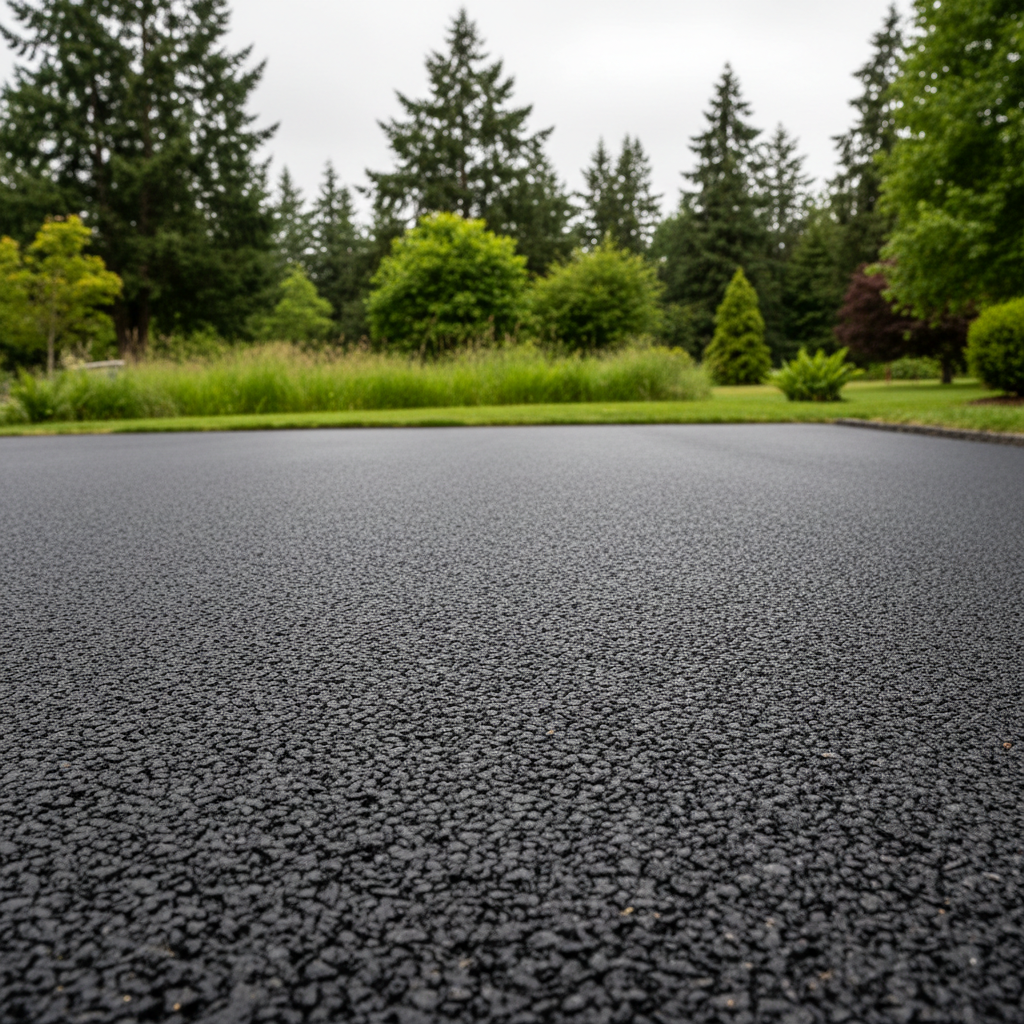
What's the difference between asphalt and concrete for a parking lot?
This is usually the first thing people ask me, and it's a good question. When it comes to parking lots, especially with our Canby climate, asphalt is generally the better choice. Sure, concrete is incredibly durable, no argument there, but it also costs more upfront. And when it cracks? That's a bigger, more expensive repair. You're looking at cutting out sections and re-pouring, which can be a real pain.
Asphalt, on the other hand, is much more flexible. It handles our freeze-thaw cycles better because it can expand and contract without cracking as easily. If it does need fixing, it's often just a simple patch job or an overlay. That's less disruptive and usually more affordable. Plus, it drains water better and gives you a smoother, quieter surface. And here's a bonus: it's quicker to install and cure, so you can get back to business faster.
How long does a new asphalt parking lot typically last?
A well-installed asphalt parking lot, one that's properly maintained, should easily give you 20 to 30 years. That's a pretty big range, I know, but a lot of things play into it. The biggest factors are how well it was installed initially — things like good base preparation and the right asphalt thickness — and how diligent you are with maintenance.
If you neglect it, you'll be looking at repairs much sooner. But if you keep up with regular sealcoating every few years and fix cracks as they pop up, you'll definitely hit closer to that 30-year mark. Think of it like your car; regular oil changes and tune-ups make it last longer, right?
What causes asphalt parking lots to crack and pothole?
Most of the problems we see with asphalt boil down to two main culprits: water and traffic. Water is truly the biggest enemy. If it gets under the asphalt through cracks, it can weaken the sub-base, especially with our wet Canby winters. Then, when vehicles drive over those weakened spots, the asphalt flexes, breaks down, and eventually, you get potholes.
Heavy traffic, particularly big trucks or equipment, also takes its toll. If the asphalt isn't thick enough for the load, or if the base wasn't compacted properly, you'll start seeing cracking and rutting. UV rays from the sun also degrade the asphalt binders over time, making the surface brittle and more prone to cracking. That's why sealcoating is so important; it's like sunscreen for your pavement.
Can I just patch my parking lot, or do I need to repave the whole thing?
It really just depends on how bad the damage is. If you've got a few isolated potholes or some minor cracking, patching can absolutely extend the life of your lot. We'll cut out the bad sections, repair the base, and lay new asphalt. It's a cost-effective fix for localized issues.
However, if you're seeing cracks everywhere, significant rutting, or large areas of alligator cracking (that pattern that looks like, well, alligator skin), then you're probably looking at a bigger job. An overlay, where we put a new layer of asphalt over the existing one, might work if the underlying structure is still sound. But if the base is completely shot, or if the lot has drainage problems that keep causing issues, then a full removal and replacement is often the most durable and economical long-term solution. I'll always give you an honest assessment of what I think is best for your situation, not just what makes me the most money.
How much does parking lot paving cost?
This is the million-dollar question, and honestly, there's no single answer without actually seeing the site. Paving costs depend on a whole bunch of factors: the size of the lot, the current condition of the existing surface (do we need to tear out old asphalt or just overlay?), the thickness of the new asphalt required, and any necessary drainage work or grading. Material costs jump around too.
What I can tell you is that Mighty Asphalt Co. provides transparent, detailed quotes. We'll come out, assess your lot, talk about what you need, and give you a clear breakdown. Don't just go with the cheapest bid; make sure you understand exactly what's included. A low price often means corners are being cut on base prep or asphalt thickness, and that'll cost you more in the long run.
What kind of ongoing maintenance does an asphalt parking lot need?
Maintaining your asphalt parking lot is key to getting those 20-30 years out of it. Here's what you should be doing:
- Sealcoating: This is probably the most important step. It protects the asphalt from UV rays, water, and chemicals. I recommend doing it every 2-4 years, depending on traffic and how much sun it gets.
- Crack Filling: As soon as you spot cracks, get them filled. This stops water from getting into the sub-base and causing bigger problems like potholes. It's a small investment that prevents major headaches.
- Pothole Repair: Don't let potholes sit. They'll only get bigger and more dangerous. Get them patched promptly.
- Cleaning: Keep the lot free of debris, oil spills, and chemicals. Oil and gas can degrade asphalt over time.
- Drainage Checks: Make sure your drains aren't clogged and water is flowing off the lot properly. Standing water is bad news for asphalt.
A little proactive maintenance really goes a long way. It's always cheaper to prevent a problem than to fix a big one later.